
Wireless Microphones: What Actually Matters
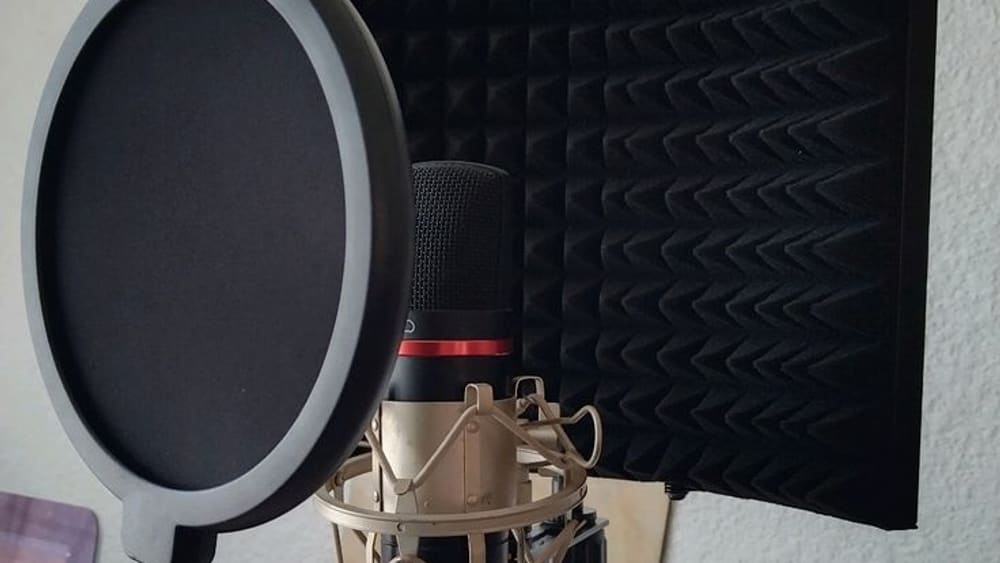
Wireless microphones fail in the most public way possible — mid-sentence, in front of everybody. Almost every failure traces back to one of a small number of decisions made at the point of purchase.
UHF, not VHF
VHF systems are the cheaper older technology. They operate in a crowded band, are more prone to interference from other equipment, and have fewer usable channels. UHF systems cost more, hold their signal far better and give you many more frequencies to choose from.
If the system will be used for anything that matters — a service, a wedding, a paid event — buy UHF. The price difference is small next to the cost of a failure in front of three hundred people.
How many can you run at once?
This is where most buyers get caught. Two wireless systems bought separately, both set to the same default frequency, will fight each other and neither will work. You need each unit on a different frequency, and those frequencies must not interfere with one another.
If you need more than two channels, buy a multi-channel system designed to work together rather than assembling separate single units. A four or six-channel unit has its frequencies planned out for you.
Tell us how many people need a microphone at the same time, including spares, and we will make sure what you buy can actually run simultaneously.
Handheld, lapel or headset?
- Handheld — most robust, best sound, obvious to the speaker when it is on. Occupies a hand.
- Lapel (lavalier) — discreet, hands free. More prone to clothing rustle, and the capsule is further from the mouth so it picks up more of the room.
- Headset — stays at a fixed distance from the mouth, so the level does not change as the speaker turns. Best choice for anyone who moves about a lot.
For a preacher who paces, a headset is almost always the right answer. For a pulpit, handheld or a wired microphone on a stand is simpler and more reliable.
Batteries are part of the system
A wireless microphone is a battery-powered device that people forget is battery powered. Two habits prevent most failures:
- Fresh batteries before anything important, not "they were fine last week".
- Check the receiver display for battery level during setup, every time.
Rechargeable systems remove the recurring cost but need charging discipline. Either works; neither survives being ignored.
Where you put the receiver matters
The receiver needs line of sight to the transmitter where possible. Hiding it inside a metal rack at the back of a hall, behind the congregation, is asking for dropouts. Keep the aerials vertical, spread them apart in a V, and keep them away from other electronics.
Most "the microphone keeps cutting out" complaints we hear are solved by moving the receiver rather than replacing it.
What to ask before you buy
- Is it UHF?
- How many channels can run together?
- What is the real-world range in a hall of my size?
- Can I get spare parts and batteries locally?
- Is there a warranty, and who honours it?
That last question matters more than people expect. Equipment bought from an unknown seller online is equipment you cannot easily get repaired.
Talk to us about your room
Tell us how big the space is, how many microphones need to work at once and what else is running in the building, and we will recommend something that will still be working in three years. Call or WhatsApp us, or come to the shop and try a system before you buy.
More guides
How to Choose a PA System for Your Church
Room size, ceiling height and how many people speak at once matter more than watts. A practical guide to sizing a church sound system in Kenya without overspending.
Buying Your First Acoustic Guitar: What Actually Matters
Playability beats looks every time. What to check before you hand over money for a first guitar, and the difference between a cheap guitar and a bad one.
Setting Up a Home Studio in a Small Room
You do not need a big budget or a spare building. What to buy first, what to skip, and how to make a small Nairobi room sound far better than it should.