
Buying Your First Acoustic Guitar: What Actually Matters
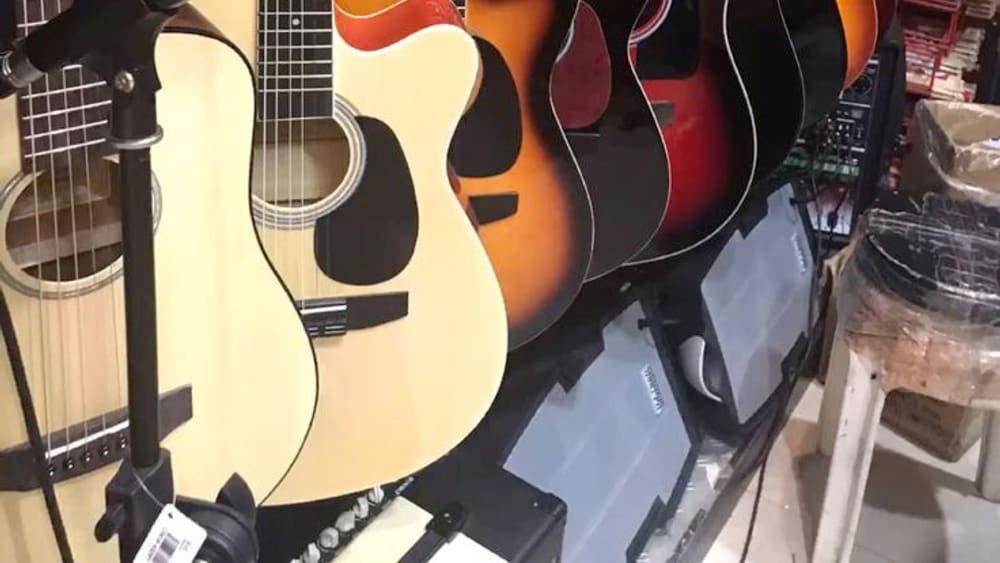
Most people who give up on guitar in the first six months do not give up because they lack talent. They give up because the guitar they bought is physically painful to play, and nobody told them it did not have to be.
The one thing to check: the action
"Action" means the gap between the strings and the fretboard. Too high, and pressing a string down takes real force — your fingertips hurt, chords buzz, and barre chords feel impossible. This single measurement decides more about whether a beginner keeps playing than the brand on the headstock.
How to check it without any tools: press a string down at the first fret and look at the gap at the twelfth. It should be roughly the thickness of a bank card. If it looks like you could slide a pencil under there, the guitar needs setting up — or avoiding.
A cheap guitar that has been set up properly is a far better purchase than an expensive one that has not. Ask whether the shop sets up its guitars before sale. We do.
Body size matters more than you would think
Guitars come in shapes with names that mean nothing to a beginner. In practice:
- Dreadnought — the big, square-shouldered one. Loud, strong bass, the classic strumming guitar. Can feel enormous if you are slight or young.
- Concert / Grand Concert — smaller body, easier to get your arm around, more balanced and less boomy. Often the better first guitar.
- Parlour — smaller again. Comfortable, quieter, good for fingerpicking and for playing in a room where you do not want to dominate.
Sit down and hold each one. If your strumming arm has to reach awkwardly over the body, the guitar is too big for you, whatever it sounds like.
Nylon or steel strings?
Nylon-string (classical) guitars are gentler on soft fingertips and have a wider neck, which suits fingerpicking and classical playing. Steel-string guitars are louder and brighter, and are what most worship, folk and pop music is played on.
If you mostly want to strum and sing, steel string. If your fingers are very sensitive or you are learning classical technique, nylon. You will build calluses on either within a few weeks.
Solid top or laminate?
The top is the large front face of the guitar and does most of the work of making sound. A solid top is a single piece of real wood; it sounds better and, unlike laminate, improves as it ages. A laminate top is layers pressed together — cheaper, more resistant to humidity changes, but it will sound much the same in ten years as it does today.
For a first guitar, either is defensible. A solid-top guitar is worth the difference if you are reasonably sure you will stick with it.
What to check in the shop
- Sight down the neck from the headstock. It should be almost straight, with at most a slight dip. A visible twist or bow is a reason to walk away.
- Run your hand along the fret ends. Sharp edges catch your palm and mean the wood has dried and shrunk.
- Play every fret on every string. Listen for buzzing or notes that die out.
- Check the tuners. Tune it up and leave it ten minutes. If it has drifted badly, the machine heads are poor.
- Look inside the soundhole for glue runs or lifting braces.
Budget for the things that are not the guitar
You will need a gig bag or case, a clip-on tuner, spare strings and a strap. Plan for these from the start rather than discovering them at the counter. A capo is not essential on day one but you will want one within a month.
Come and play a few
Nothing on this page beats twenty minutes with three guitars in your hands. Come to the shop, play them, and let your hands tell you which one is right. If you do not yet play, bring someone who does, or ask us and we will play them for you so you can hear the difference.
More guides
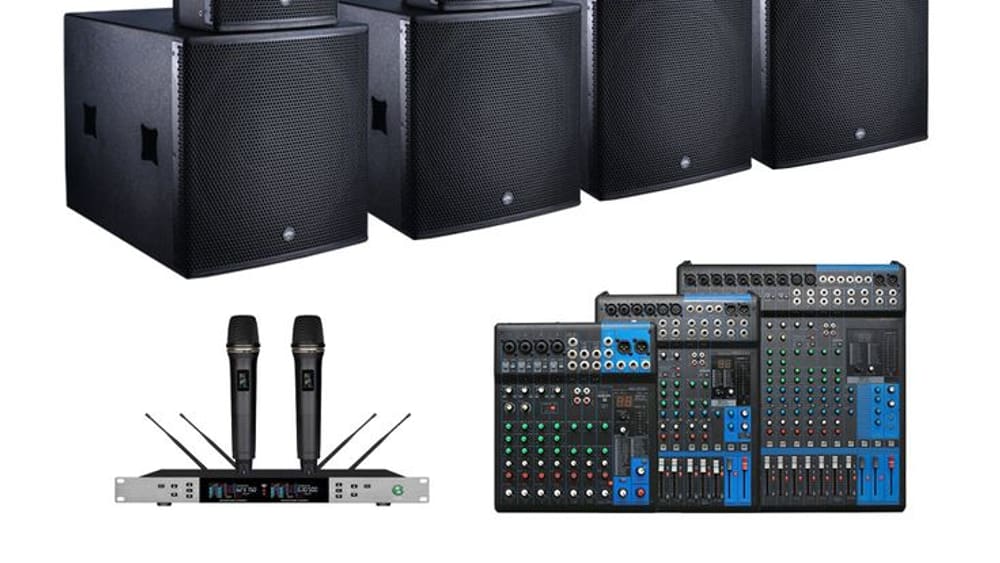
How to Choose a PA System for Your Church
Room size, ceiling height and how many people speak at once matter more than watts. A practical guide to sizing a church sound system in Kenya without overspending.
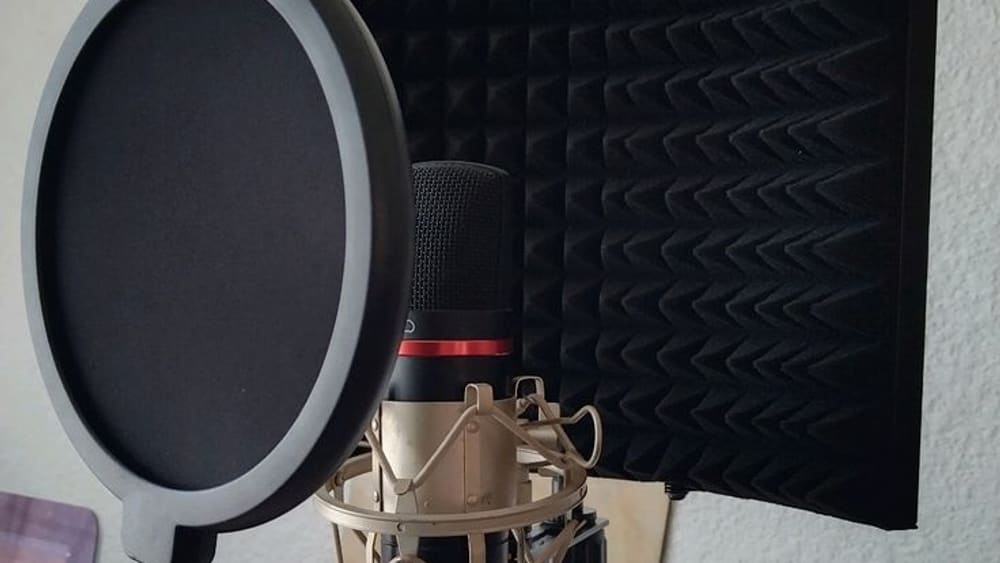
Wireless Microphones: What Actually Matters
UHF versus VHF, why cheap wireless drops out mid-sermon, and how many systems you can safely run in one room. Practical advice for churches, schools and event companies.
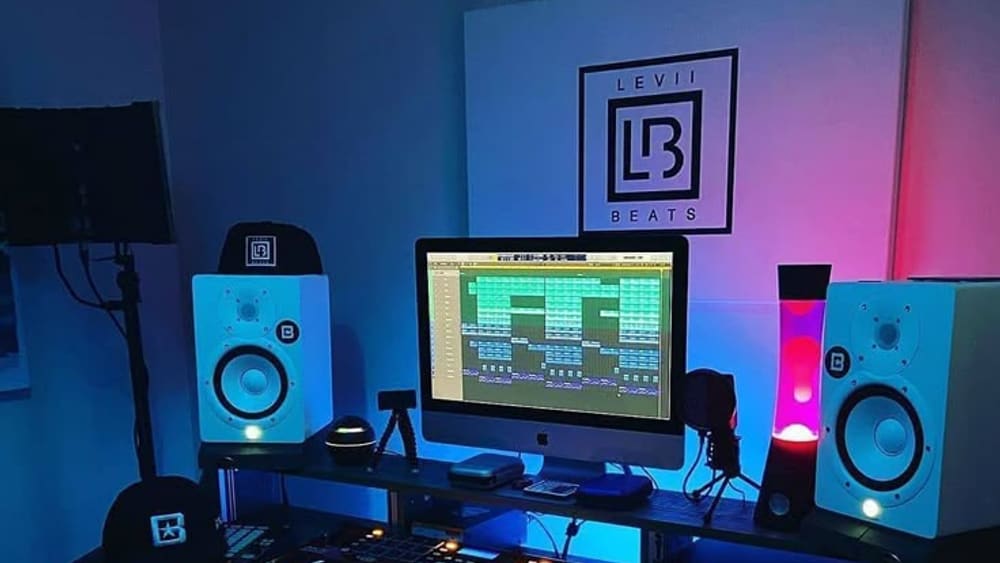
Setting Up a Home Studio in a Small Room
You do not need a big budget or a spare building. What to buy first, what to skip, and how to make a small Nairobi room sound far better than it should.